
HMRC to raid bank accounts for unpaid tax
HMRC is restarting the use of direct debt recovery for individuals and businesses who choose not to pay the tax they owe despite having the means to do so. Who’s in the firing line?
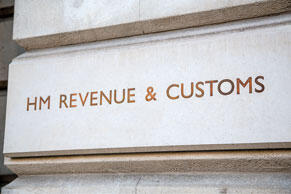
Direct debt recovery (DRD) is nothing new, though its use was paused during the pandemic. It is now being relaunched to recover debts over £1,000, subject to various safeguarding rules. For example, it can only be used where the debtor has received a face-to-face visit from HMRC agents (having ignored previous correspondence), has not been identified as vulnerable, has sufficient money in the bank and still refuses to pay their debts.
Given the strict criteria it is expected that HMRC will use these powers sparingly, as it did prior to the pandemic. If you’re struggling to pay your tax bill, contact HMRC as soon as possible to ask about setting up a payment plan.
Related Topics
-
HMRC moves tax return registration into the digital age
A new and improved self-assessment registration service has been launched. What's changed?
-
Unpaid directors still face new tax return reporting
HMRC has clarified that company directors who are already required to submit a self-assessment tax return must provide details of their directorships for 2025/26 even where they received no salary, benefits or dividends. Directors of dormant companies can also be caught. What do you need to know?
-
Do dividend waivers still work?
You need to take a dividend from your company but there’s just one problem. Your business partner, who is also a 50% shareholder, doesn’t want to take any more income from the company during this tax year. What’s the solution?

 This website uses both its own and third-party cookies to analyze our services and navigation on our website in order to improve its contents (analytical purposes: measure visits and sources of web traffic). The legal basis is the consent of the user, except in the case of basic cookies, which are essential to navigate this website.